AML/CTF Is Changing Australian Property Sales

Nancy Xiao
Accounts Manager
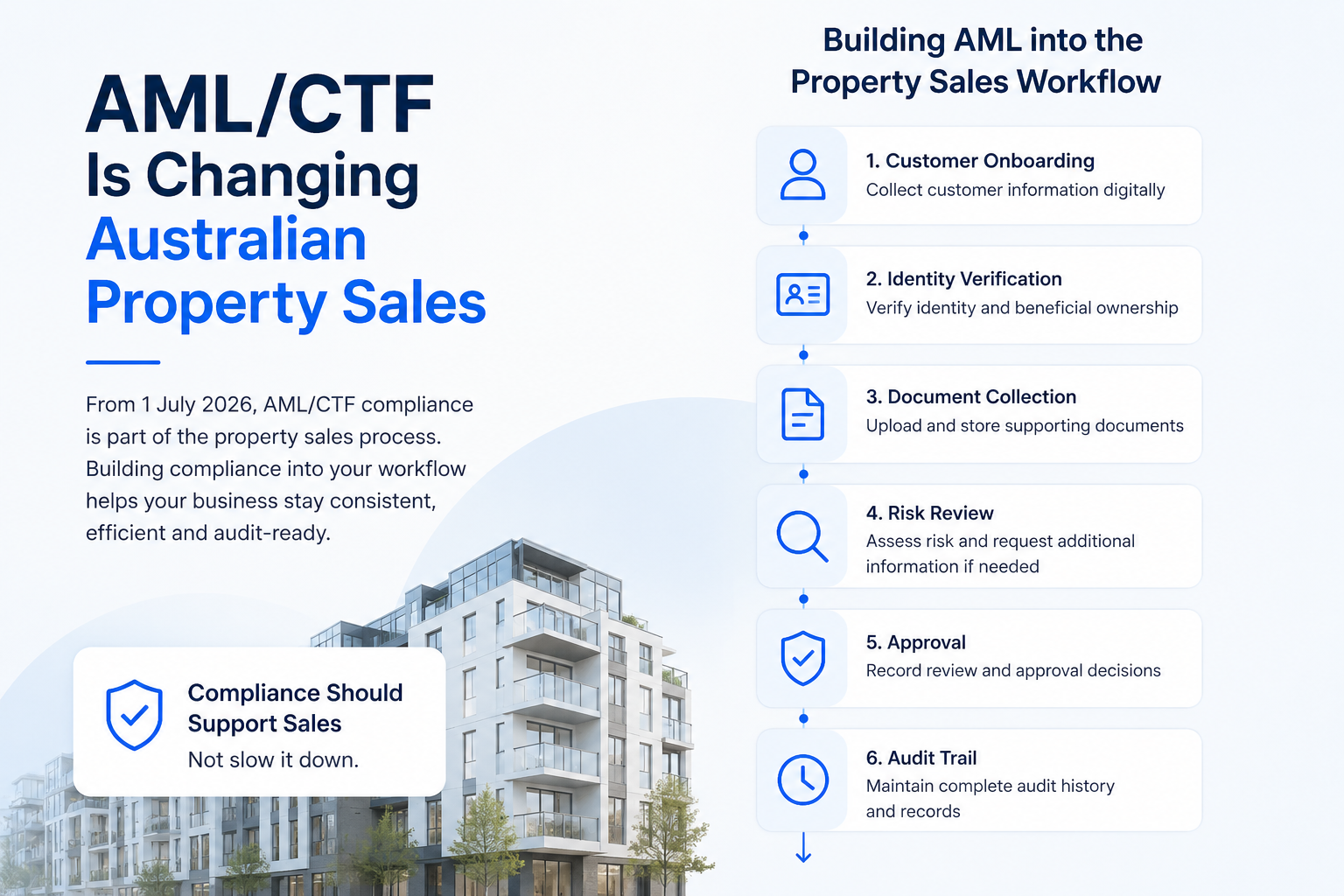
From 1 July 2026, Australia's Anti-Money Laundering and Counter-Terrorism Financing (AML/CTF) reforms expanded to include designated real estate services. For many property businesses, this represents more than a regulatory update—it changes how customer onboarding should be managed.
The biggest challenge isn't simply verifying a customer's identity. It's ensuring compliance becomes a seamless part of the sales process.
Who may be affected?
Whether a business is covered by the new AML/CTF obligations depends on the services it provides.
The new designated services may apply to businesses involved in:
- Real estate agencies
- Buyer's agents
- Property developers selling directly to purchasers
- House and land package providers
- Off-the-plan apartment sales
- Land subdivision sales
Every business should review AUSTRAC's guidance to determine whether the new requirements apply to its operations.
The challenge with manual processes
Many property businesses still manage customer onboarding using emails, PDFs and spreadsheets.
While this may work for smaller teams, it quickly becomes difficult to maintain consistency as projects and transaction volumes grow.
Common challenges include:
- Customer documents stored across multiple locations
- Different consultants collecting different information
- No clear visibility into onboarding progress
- Manual follow-ups delaying transactions
- Difficulty retrieving records during an audit
As compliance requirements increase, manual processes become harder to manage and more prone to inconsistency.
Building compliance into the sales workflow
Rather than treating AML as a separate administrative task, property businesses should integrate compliance directly into their customer journey.
A modern onboarding workflow should enable teams to:
- Collect customer information digitally
- Securely store supporting documents
- Track onboarding and review progress
- Record approval decisions
- Maintain a complete audit trail
When compliance is embedded into the sales process, businesses can reduce administrative effort while providing a more consistent experience for both customers and sales teams.
What should property businesses do now?
The new AML/CTF requirements are already in effect, and businesses should review whether the reforms apply to the services they provide.
Practical next steps include:
- Reviewing your customer onboarding process
- Understanding your AML/CTF obligations
- Digitising document collection and approvals
- Training sales teams on consistent onboarding procedures
- Ensuring customer records can be securely stored and easily retrieved
Compliance should no longer be viewed as a standalone legal requirement. It should become part of everyday property sales operations.
Looking ahead
The Australian property industry has embraced digital marketing, proposal generation and sales automation over the past decade.
Customer onboarding is the next stage of that digital transformation.
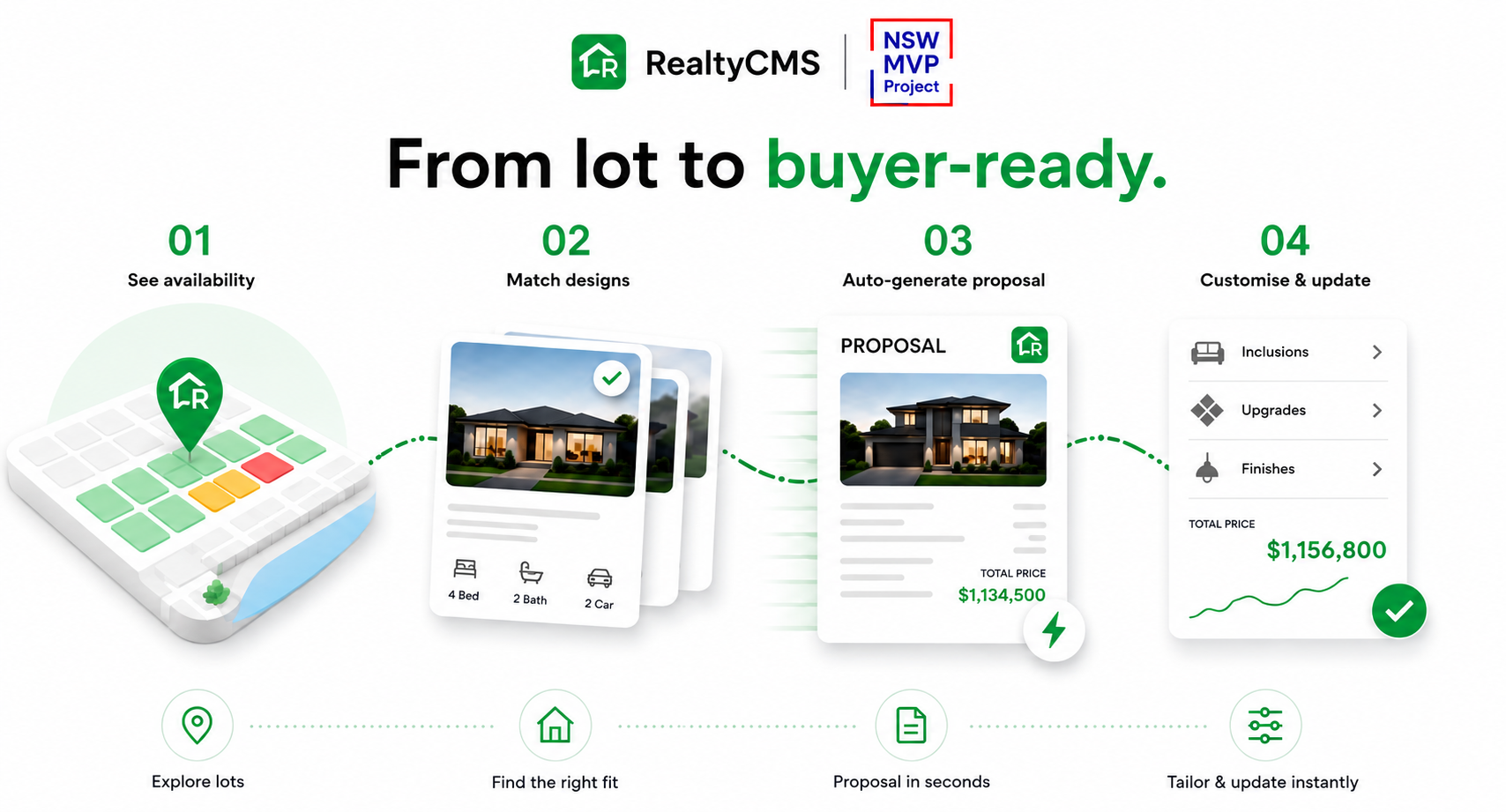
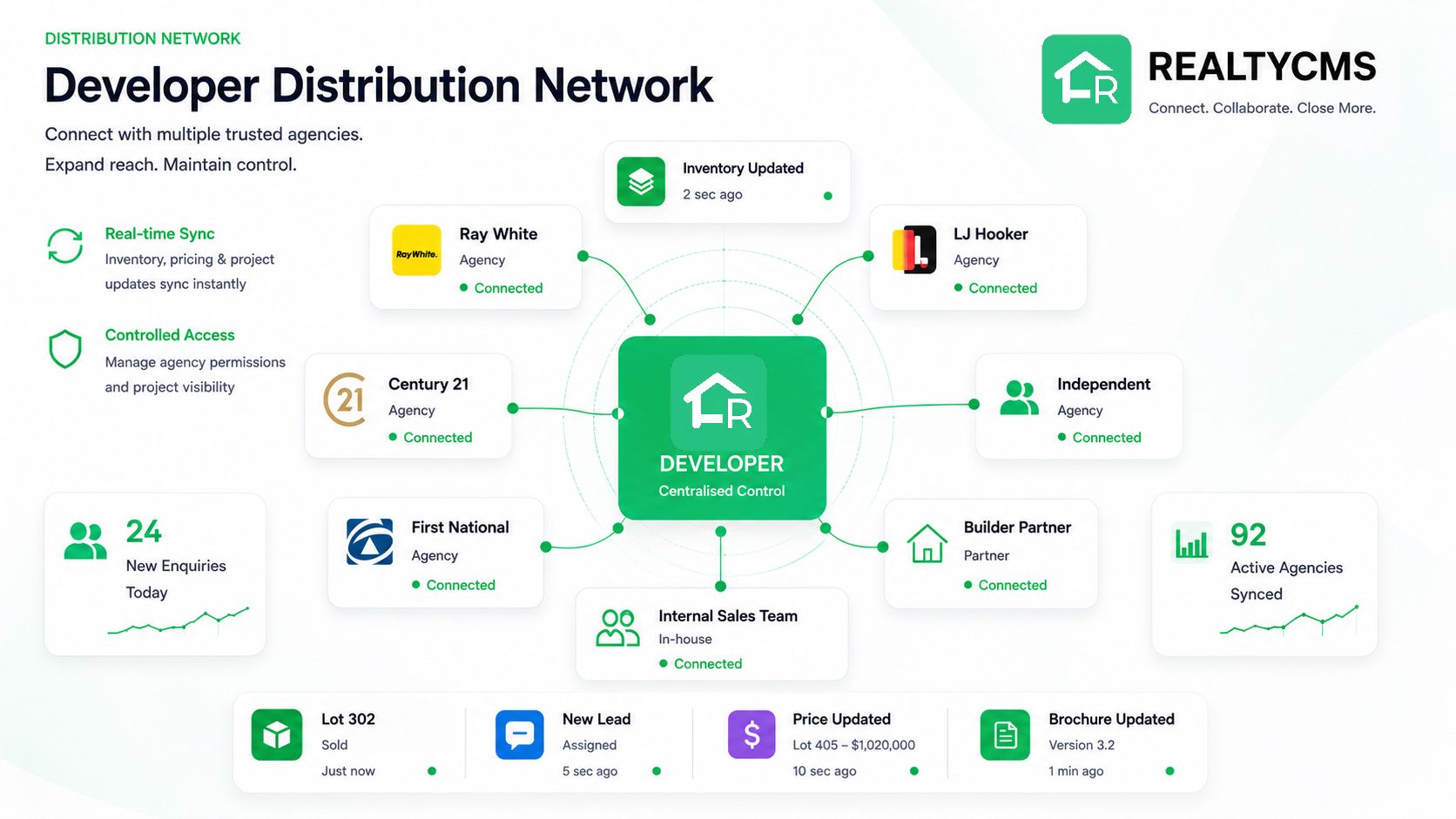
At RealtyCMS, we're building AML customer onboarding directly into the property sales workflow—helping developers, builders and agencies manage customer information, documents and compliance processes within a single platform.
Because compliance shouldn't slow down sales.
It should become a natural part of how modern property sales are managed.